


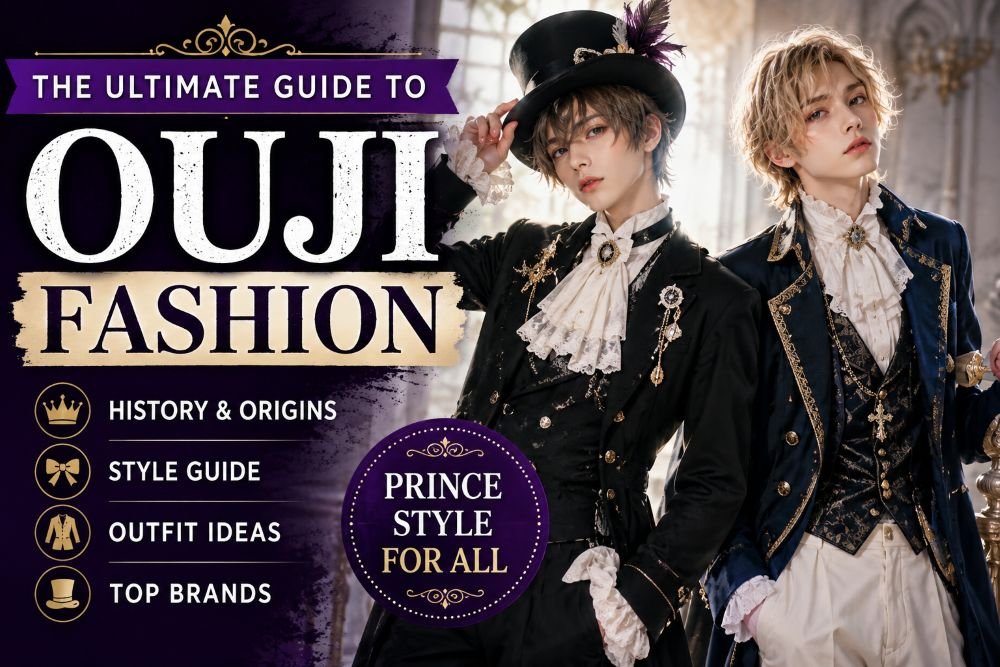
Japanese street fashion has inspired designers and style enthusiasts around the world for decades, but few aesthetics have developed such a loyal following as ouji fashion. Inspired by European aristocratic menswear from the eighteenth and nineteenth centuries, ouji fashion blends tailored clothing, elegant details, and youthful charm into a distinctive style that feels both timeless and contemporary.
Although once considered a niche trend within Japan’s alternative fashion scene, ouji fashion has steadily gained popularity in the United States through social media, fashion conventions, independent designers, and online communities. Its emphasis on craftsmanship, individuality, and gender neutral styling appeals to people looking for an alternative to fast fashion and mainstream trends.
Unlike theatrical costumes, ouji fashion is designed to be worn as fashion. Enthusiasts combine historical inspiration with modern tailoring to create outfits that feel refined, wearable, and uniquely personal.
What Is Ouji Fashion?
Ouji fashion, sometimes called prince style or boystyle, is a Japanese street fashion style inspired by European aristocratic menswear. The Japanese word “ouji” means “prince,” reflecting the youthful noble appearance that defines the aesthetic.
A traditional ouji fashion outfit typically features tailored jackets, waistcoats, knee length shorts or trousers, ruffled blouses, knee high socks, polished leather shoes, and carefully chosen accessories. While the style borrows elements from Victorian, Regency, and Rococo fashion, it is not historical reenactment. Instead, it is a modern reinterpretation that blends classic tailoring with contemporary fashion.
One of the defining characteristics of ouji fashion is its inclusivity. Although inspired by menswear, the style welcomes wearers of every gender. Rather than following conventional fashion rules, it emphasizes personal expression, elegant coordination, and quality craftsmanship.
The History of Ouji Fashion
Japanese ouji fashion emerged during the late 1990s and early 2000s alongside the rapid growth of Harajuku street fashion and the Visual Kei movement. As classic Lolita fashion became more established, designers introduced complementary collections inspired by young princes rather than Victorian ladies.
While Lolita fashion emphasized dresses and feminine silhouettes, ouji fashion focused on tailored jackets, structured shorts, decorative shirts, and aristocratic styling. The two aesthetics quickly became companion styles, sharing historical influences while developing distinct identities.
The look draws inspiration from several European periods. Victorian frock coats contributed structured tailoring, Regency fashion introduced elegant shirts and refined proportions, while Rococo design added decorative lace, embroidery, and playful sophistication.
Fashion magazines, Japanese designers, anime conventions, and online communities helped spread ouji fashion beyond Japan. Today, enthusiasts across North America, Europe, and Australia continue to reinterpret the style while respecting its Japanese origins.
Signature Elements of Ouji Fashion
The lasting appeal of ouji fashion comes from its balance of elegance, structure, and creativity. Every outfit combines historical inspiration with modern styling rather than attempting to recreate a specific historical period.
Clothing Essentials
A well coordinated ouji wardrobe usually includes:
- Tailored waistcoats
- Victorian inspired jackets
- Knee length shorts or fitted trousers
- High collar or ruffled blouses
- Decorative cravats or ribbon ties
- Knee high socks or patterned stockings
- Structured coats for layering
The silhouette should appear clean, balanced, and carefully tailored. Proper fit is one of the most important aspects of achieving an authentic ouji fashion look.
Shoes
Footwear completes the outfit without overwhelming it.
Popular choices include Oxford shoes, leather loafers, buckle shoes, Victorian inspired boots, and lace up ankle boots. These styles complement the tailored clothing while reinforcing the aristocratic aesthetic.
Accessories
Accessories are essential rather than optional.
Many enthusiasts finish their outfits with:
- Mini top hats
- Berets
- Pocket watches
- Decorative brooches
- Lace gloves
- Leather gloves
- Walking canes for themed styling
- Cross body satchels
- Cameo jewelry
These details help distinguish authentic ouji fashion from costume inspired outfits.
Popular Colors and Fabrics
Most ouji fashion wardrobes begin with classic colors such as black, white, ivory, gray, navy, burgundy, forest green, and brown. These shades reflect the historical inspiration while allowing garments to mix easily.
Common fabrics include cotton, wool, velvet, brocade, jacquard, linen, and lace. Quality fabrics give garments structure and improve the polished appearance that defines the style.
How Ouji Fashion Differs From Lolita Fashion
Because both styles originated within Japanese street fashion, newcomers often confuse ouji fashion with classic Lolita fashion.
The biggest difference lies in the silhouette. Lolita fashion centers on dresses, skirts, petticoats, and traditionally feminine styling. Ouji fashion instead emphasizes jackets, waistcoats, tailored shorts, trousers, and a princely appearance inspired by European noblemen.
Despite these differences, the two aesthetics share similar values. Both celebrate detailed craftsmanship, historical inspiration, and carefully coordinated outfits. Many brands produce complementary collections, allowing enthusiasts to style both looks together while preserving each fashion’s unique identity.
Popular Ouji Fashion Brands
Several brands have become closely associated with ouji fashion over the years.
Alice and the Pirates remains one of the most recognizable names, offering elaborate prince inspired collections with exceptional detailing. Atelier BOZ earned a loyal following for its elegant gothic fashion designs before ending regular production, and many of its pieces remain highly sought after in the secondhand market. Moi-même-Moitié incorporates gothic influences into refined tailoring, while Princess Chronicles has become a popular choice for newcomers seeking classic ouji clothing.
Independent labels such as Immortal Thorn, Krad Lanrete, Tiny Garden, and Forest Wardrobe have also expanded the market with affordable interpretations of the style.
Secondhand marketplaces remain one of the smartest ways for beginners to purchase authentic garments while staying within budget.
How to Build an Ouji Fashion Wardrobe
Building an ouji fashion wardrobe is easier when approached gradually.
Begin with a white ruffled blouse, black tailored shorts, a fitted waistcoat, knee high socks, and polished Oxford shoes. This combination creates a classic foundation that can be expanded over time.
Next, invest in a structured jacket, quality accessories, and additional neutral pieces that coordinate easily with your existing wardrobe.
Instead of buying complete outfits, prioritize versatile garments that can be mixed and matched for different occasions.
Styling Tips for Beginners
The best ouji fashion outfits rely on proportion rather than excess.
Layer garments thoughtfully by pairing a decorative blouse beneath a waistcoat and structured jacket. Choose accessories that complement the outfit instead of competing for attention.
A beginner friendly outfit might include a white ruffled blouse, black velvet waistcoat, tailored knee length shorts, black knee socks, Oxford shoes, and a burgundy cravat. The result feels elegant without appearing theatrical.
Those drawn to elegant gothic fashion can experiment with darker palettes, while softer colors and lighter fabrics create a more classic prince style fashion aesthetic.
Seasonal Outfit Ideas
Ouji fashion adapts surprisingly well throughout the year.
During spring, lightweight blouses, cream waistcoats, and brown leather shoes create a refined appearance.
Summer outfits benefit from breathable cotton and linen fabrics paired with lighter jackets and tailored shorts.
Autumn introduces velvet, wool, deep burgundy, forest green, and layered tailoring that complements cooler temperatures.
Winter allows for dramatic long coats, capes, leather gloves, scarves, and structured hats while preserving the style’s aristocratic character.
Common Mistakes Beginners Make
Many newcomers mistake ouji fashion for cosplay. While both may feature elaborate clothing, ouji fashion is an established street fashion style intended for everyday wear and special events.
Another common mistake is relying on inexpensive costume garments instead of properly tailored clothing. Fit is essential. Oversized jackets, poorly made fabrics, or incorrect proportions quickly diminish the sophisticated appearance.
Some beginners also overlook accessories. A carefully chosen cravat, brooch, or pocket watch often elevates an outfit far more effectively than adding unnecessary decorative pieces.
How Expensive Is Ouji Fashion?
The cost of ouji fashion varies considerably.
Premium Japanese brands often command higher prices because of their craftsmanship, limited production, and imported materials. Independent designers and secondhand marketplaces offer more affordable entry points for beginners.
Many experienced enthusiasts recommend building a wardrobe slowly, investing first in timeless pieces rather than chasing every new release.
Where People Wear Ouji Fashion
Although anime conventions remain popular destinations for ouji fashion enthusiasts, the style appears in many other settings.
Wearers often attend tea parties, fashion exhibitions, museum visits, photography sessions, Japanese cultural festivals, gothic gatherings, themed weddings, alternative fashion meetups, and local street fashion events. Many also incorporate waistcoats, tailored jackets, or Victorian inspired accessories into everyday outfits for a subtle interpretation of the aesthetic.
Why Ouji Fashion Continues to Grow in the United States
Interest in ouji fashion has expanded steadily as American consumers become more interested in Japanese street fashion, slow fashion, and clothing that values craftsmanship over short lived trends.
Fashion creators on social media have introduced new audiences to the elegance of prince inspired styling, while online retailers and secondhand marketplaces have made authentic garments easier to purchase than ever before.
Growing availability of inclusive sizing and independent brands has also helped broaden the community. Combined with its timeless tailoring, artistic expression, and gender neutral appeal, ouji fashion continues to establish itself as one of the most distinctive and enduring styles within the global alternative fashion movement.
Read More: Republicbulletin.com/lifestyle
